A decision is recorded in one place, but the reasoning behind it lives somewhere else. By the time another person needs to move the work forward, they may be reconstructing context that already exists.
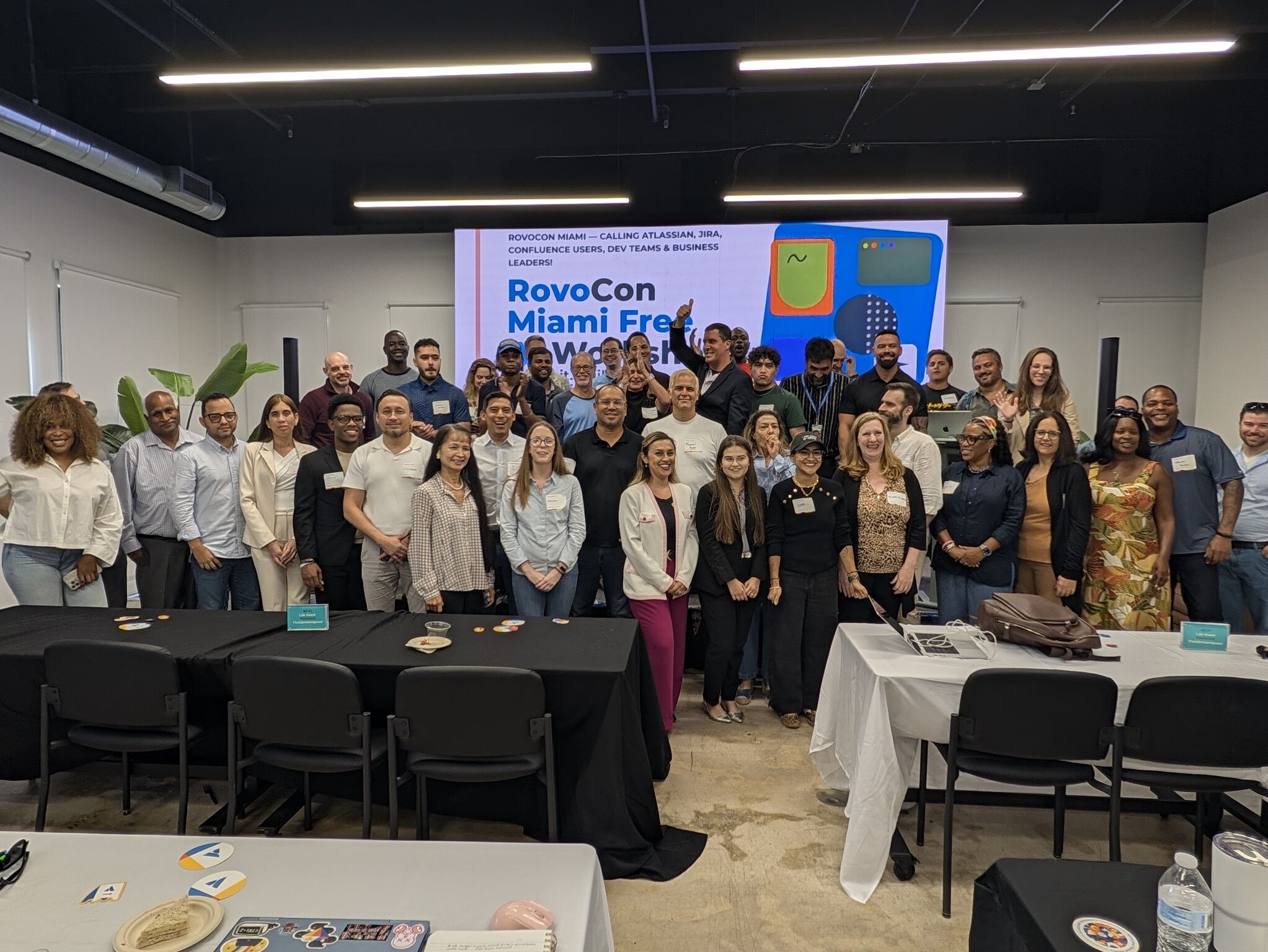
On October 17, BLUR DIGITAL attended RovoCon Miami at The LAB in Wynwood, a community event exploring Atlassian Rovo and its approach to connecting knowledge with the way people work.
The challenge isn’t always finding more information. Sometimes it’s making the information we already have easier to understand and use.
From information to action
Atlassian’s Rovo approaches this challenge through connected search, conversational assistance and configurable agents. Its features are designed to help teams use information already distributed across tools and knowledge sources.
That distinction matters. Through Rovo Search and Chat, a team can find context and ask questions across connected sources. Rovo agents extend that idea toward defined tasks; Rovo Studio provides ways to configure agents and automations.
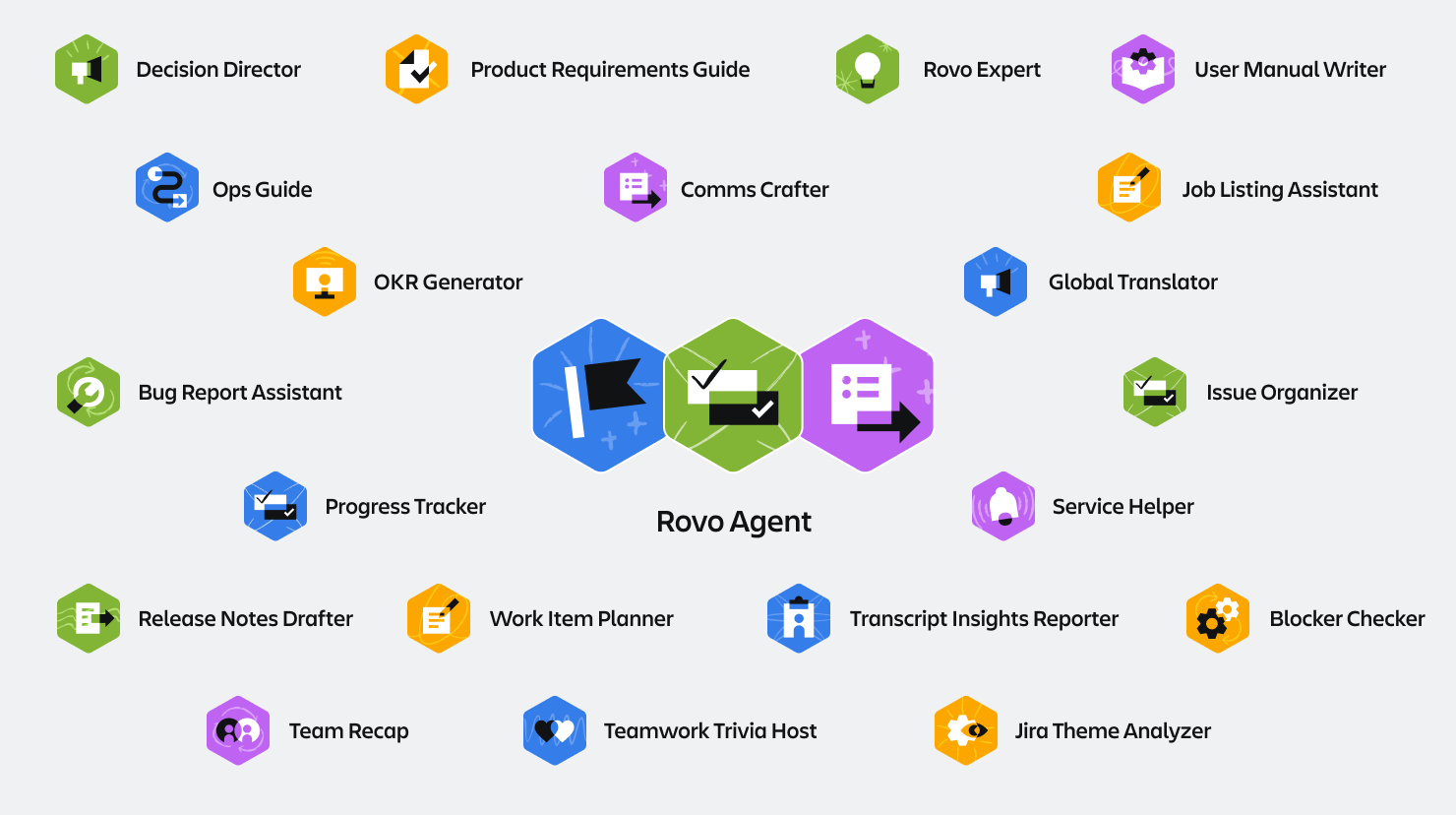
For smaller teams, the potential is especially interesting: less time retracing decisions or moving between disconnected systems, and more attention available for the work itself.
But connecting information does not automatically mean understanding it. An agent still depends on the context it can access, the permissions it has and the judgment guiding its output.
Designing around the human element
Through BLUR DIGITAL’s Human Layer perspective, we’re interested in how intelligence enters an existing environment without flattening the qualities that already make it work.
Not every process needs automation. Some benefit from a faster handoff. Others depend on interpretation, creative judgment or a conversation that cannot be reduced to a sequence of tasks.
The design question is not simply what a tool can do, but what it should strengthen, what responsibility should remain with people and whether the resulting experience is actually clearer.
Beyond the platform
RovoCon also offered an opportunity to exchange perspectives with people exploring these tools from different backgrounds. That kind of conversation matters: practical questions often become more precise when they leave the product demonstration and meet the realities of how people work.
We came away with ideas worth examining around knowledge continuity and creative workflows, particularly for smaller teams coordinating projects across several platforms. Those are areas for exploration, not claims of an implemented Rovo system.
Appreciation to the Atlassian Miami community, Rick Regueira, Regina Batista and everyone involved in organizing the event.
As connected intelligence develops, what interests us most is whether it helps people carry decisions forward with more clarity, rather than adding another layer of technology.
In your own work, is finding the information still the bigger challenge, or understanding what to do with it once you’ve found it?